


-

Add: HeBei ShengShi HongBang Cellulose Technology CO.,LTD.
-

Email
13180486930@163.com -

CONTACT US
+86 13180486930

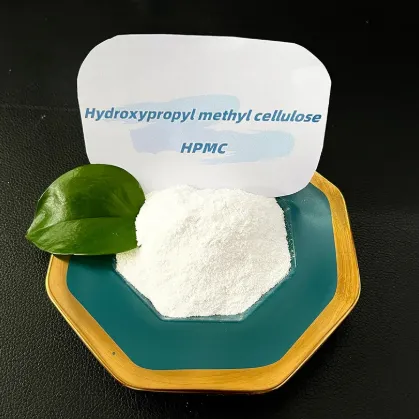



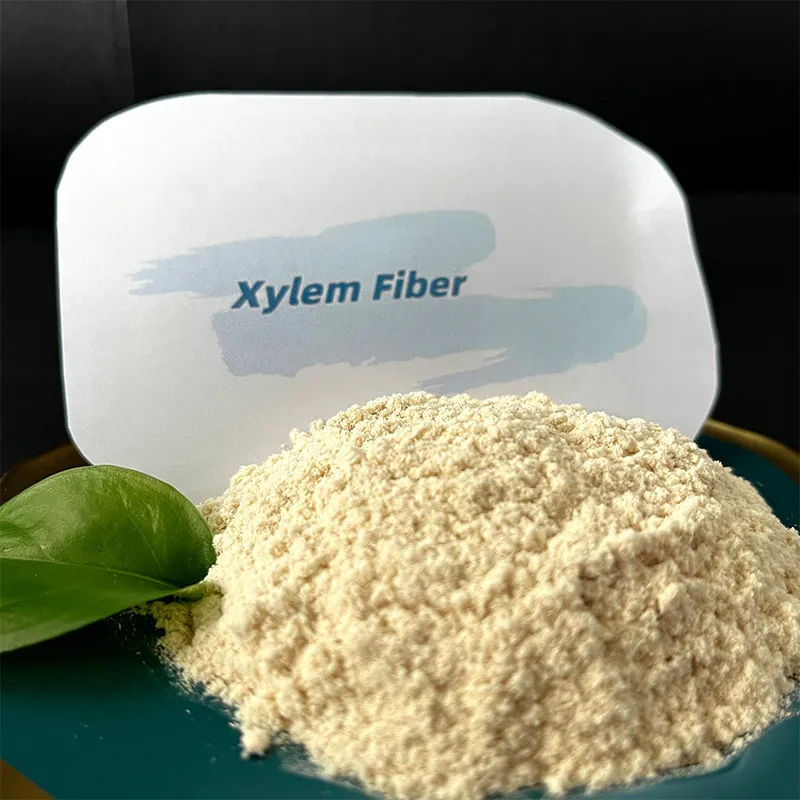
Xylem fiber , a naturally occurring, renewable material sourced from wood, has emerged as a cornerstone in the global shift toward sustainable manufacturing. Derived from the fibrous tissues of trees, this organic flocculent material undergoes advanced chemical and mechanical treatments to enhance its properties for industrial applications. As industries increasingly prioritize environmental responsibility, wood cellulose and cellulose wood fibers like xylem fiber are redefining traditional practices in construction, road infrastructure, and beyond. This article explores the unique features, technical specifications, and real-world applications of xylem fiber, while highlighting the role of HeBei ShengShi HongBang Cellulose Technology CO.,LTD. , the company behind this innovative solution. Core Features of Xylem Fiber Xylem fiber is distinguished by its fibre made from wood pulp composition, which combines natural strength with biodegradability. The material is processed through cellulose extraction from wood techniques, resulting in a product that balances durability and environmental compatibility. Key features include: Eco-Friendly Composition: Xylem fiber is entirely biodegradable, reducing reliance on synthetic materials and minimizing landfill waste. High Strength-to-Weight Ratio: The fiber’s structural integrity enhances the performance of composite materials without adding excessive weight. Moisture Absorption: Its absorbent properties make it ideal for applications requiring liquid retention, such as wood cellulose sponges. Thermal Stability: Xylem fiber maintains its properties under varying temperature conditions, ensuring reliability in diverse environments. Advantages in Industrial Applications The versatility of cellulose wood fibers has led to their adoption in multiple sectors. Below are key advantages and use cases: Construction Sector Xylem fiber is a game-changer in concrete and gypsum production. By incorporating xylem fiber into concrete mixes, engineers can improve compressive strength and durability while reducing the need for traditional aggregates like sand and gravel. According to the National Institute of Standards and Technology (NIST) , sustainable materials like xylem fiber are critical for reducing the carbon footprint of construction projects. Similarly, in gypsum products, xylem fiber enhances workability and structural integrity, making it a preferred choice for drywall and insulation panels. Asphalt Industry In road construction, xylem fiber acts as a reinforcing agent , improving the resilience of asphalt. This application extends the lifespan of roads and reduces maintenance costs. The material’s ability to absorb stress and distribute load evenly makes it an ideal solution for high-traffic areas. Medium Density Fiberboard (MDF) Xylem fiber is a primary ingredient in MDF production, where it contributes to the material’s sturdiness and smooth finish. This makes it a popular choice for furniture and interior design, offering a sustainable alternative to particleboard. Household and Industrial Products The fiber’s absorbent nature is leveraged in the manufacturing of wood pulp sponges , which are biodegradable and safe for household use. Additionally, its cellulose extraction from wood properties make it suitable for packaging materials, reducing plastic dependency. Technical Specifications Table Parameter Specification Material Source Wood pulp (Xylem tissue) Cellulose Content 70-85% (varies by processing) Moisture Absorption Up to 150% of its weight Thermal Stability Resists degradation up to 200°C Biodegradability Completely biodegradable in 6-12 months Application Concrete, asphalt, MDF, sponges, packaging Company Background: HeBei ShengShi HongBang Cellulose Technology CO.,LTD. As a leader in sustainable material innovation, HeBei ShengShi HongBang Cellulose Technology CO.,LTD. has dedicated itself to advancing the use of wood cellulose and cellulose wood fibers . The company’s commitment to eco-friendly practices is reflected in its state-of-the-art processing facilities, which ensure minimal environmental impact during cellulose extraction from wood . With a focus on research and development, HeBei ShengShi HongBang has partnered with industry experts to optimize xylem fiber’s performance for global markets. The company’s products are exported to over 30 countries, with a strong presence in Asia, Europe, and North America. By aligning with international sustainability standards, HeBei ShengShi HongBang has positioned itself as a trusted supplier of renewable resources. Its transparent supply chain and adherence to quality control protocols further reinforce its reputation in the industry. Environmental and Economic Impact The adoption of xylem fiber contributes to responsible forestry practices , as the material is sourced from sustainably managed forests. According to NIST, the integration of renewable resources like xylem fiber can reduce greenhouse gas emissions by up to 40% compared to conventional materials. This aligns with global efforts to combat climate change and promote circular economies. From an economic standpoint, xylem fiber offers cost-effective solutions for manufacturers. Its ability to replace expensive synthetic additives while maintaining product quality makes it a viable option for businesses seeking to reduce costs without compromising performance. Additionally, the material’s biodegradability reduces waste management expenses, further enhancing its appeal. Future Prospects and Innovations As industries continue to prioritize sustainability, the potential of xylem fiber is expected to expand. Researchers are exploring advanced applications, such as biodegradable plastics and composite materials for aerospace and automotive sectors. HeBei ShengShi HongBang is actively involved in these developments, investing in R&D to unlock new possibilities for cellulose wood fibers . The company also emphasizes eco-friendly packaging solutions, which are gaining traction in response to growing consumer demand for sustainable products. By leveraging xylem fiber’s unique properties, HeBei ShengShi HongBang is poised to lead the next wave of innovation in green technology. Conclusion Xylem fiber represents a paradigm shift in material science, offering a sustainable alternative to traditional resources. Its multifunctional properties, combined with the expertise of HeBei ShengShi HongBang Cellulose Technology CO.,LTD. , make it a vital component in the transition toward eco-conscious manufacturing. As industries embrace renewable materials, xylem fiber will continue to play a pivotal role in shaping a greener future.
- 40000tons

Production
- 20+years

Experience
- 5000+㎡

Acreage

-
Hydroxypropyl Methyl Cellulose Manufacturers An Overview Hydroxypropyl methyl cellulose (HPMC) is a versatile and widely used cellulose ether that finds applications across various industries, from pharmaceuticals and food to construction and personal care products. As a semi-synthetic polymer, it is derived from cellulosic sources and is favored for its unique properties, including water solubility, film-forming ability, and thickening capacity. With a growing demand for HPMC, numerous manufacturers around the world are striving to meet the needs of different sectors. The Role and Importance of HPMC HPMC is known for its exceptional rheological properties and is utilized primarily as a thickening agent, emulsifier, binder, and film-former. In the pharmaceutical sector, HPMC is used in tablet formulations as a binder and controlled-release agent. In the food industry, it serves as a stabilizer and thickener, enhancing texture and shelf-life. Furthermore, the construction industry employs HPMC in mortars and plasters for improved workability and adhesion, while the personal care sector leverages its film-forming properties in cosmetics and lotions. Key Manufacturers of HPMC Several prominent companies specialize in the production of HPMC, employing advanced technologies to deliver high-quality products. Among these manufacturers are 1. Dow Chemical Company A global leader in specialty chemicals, Dow Chemical produces a variety of cellulose derivatives, including HPMC . The company focuses on innovation and sustainability, offering products tailored to specific industry needs. 2. Shin-Etsu Chemical Co., Ltd. Based in Japan, Shin-Etsu is renowned for its high-grade HPMC products. The company emphasizes quality control and customer service, ensuring its products meet international standards. 3. Ashland Global Holdings Inc. With an extensive portfolio of specialty chemicals, Ashland manufactures HPMC for an array of applications. The company's commitment to research and development allows it to produce customized solutions that enhance product performance. hydroxypropyl methyl cellulose manufacturers 4. BASF SE A major player in the chemical industry, BASF offers a broad range of HPMC products. Leveraging its global presence, BASF serves customers across various sectors, providing innovative solutions that meet specific requirements. 5. Metrohm AG Known for its analytical instruments, Metrohm is also involved in the production of HPMC. The company integrates its technology with HPMC applications to enhance customer experience and product efficacy. Manufacturing Process The production of HPMC involves several critical steps, including the alkalization of cellulose, etherification, and purification. Initially, cellulose obtained from wood pulp is treated with sodium hydroxide to create an alkali cellulose. This is followed by etherification, where the alkali cellulose reacts with propylene oxide and methyl chloride to generate HPMC. The final product undergoes purification and drying to ensure the removal of any residual chemicals, yielding high-quality HPMC. Trends and Innovations As industries evolve and environmental concerns rise, HPMC manufacturers are increasingly focusing on sustainable production practices. Many companies are adopting green chemistry principles, utilizing renewable resources, and striving to minimize waste. Innovation in product formulations is also a priority, with manufacturers developing new grades of HPMC that offer enhanced properties such as improved solubility, thermal stability, and biodegradability. In addition, the demand for HPMC in emerging markets is witnessing significant growth. With the rise of urbanization and infrastructure development, particularly in Asia-Pacific regions, the construction and building materials sector's appetite for HPMC is increasing. Conclusion The landscape of HPMC manufacturers is dynamic, characterized by robust competition and continuous innovation. As industries seek reliable performance and sustainability in their materials, HPMC remains a critical component in meeting these demands. Manufacturers are not only focusing on quality and efficiency but also on sustainable practices that align with global environmental goals. Looking ahead, the future of HPMC production appears promising, driven by technological advancements and a commitment to excellence across various applications. Businesses and consumers alike can benefit from the ongoing developments in the HPMC manufacturing sector, ensuring a brighter and more sustainable future.
-
Hydroxypropyl methylcellulose (HPMC) is a synthetic polymer widely used for its versatility and applications in various industries, such as pharmaceuticals, food, and cosmetics. Understanding the solubility of HPMC in organic solvents is paramount for those involved in product formulation and innovation. This article provides an in-depth look at the solubility map of HPMC, informed by real-world experiences and expert insights, to help you make informed decisions. HPMC is known for its unique solubility properties that make it highly functional. Unlike many cellulose derivatives, HPMC is soluble in water and some organic solvents. However, the solubility in organic solvents is not as straightforward as its aqueous counterparts . The degree of substitution and the nature of the solvent are primary determinants of HPMC’s behavior. A deep dive into solvent interactions reveals that HPMC demonstrates compatibility with polar organic solvents. Methanol, ethanol, and isopropanol are typically employed as solvents due to their polar nature, which interacts favorably with the HPMC molecules. Although complete dissolution may not always be achieved, blending these solvents with water often enhances solubility. Many formulators rely on these mixtures for HPMC applications, especially when targeting specific viscosities and functional attributes. In the arena of pharmaceutical formulations, the solubility of HPMC in organic solvents plays a vital role in controlled-release drug delivery systems. Experts frequently use a combination of ethanol and water to create a semi-solid matrix, which acts as a vehicle for sustained drug delivery. The solvent ratio, viscosity grade of HPMC, and other polymer characteristics are meticulously adjusted to meet the therapeutic needs. Despite considerable research and anecdotal evidence supporting specific solvent use, nuances in product formulations are inevitable. Experience lends insight into overcoming challenges such as solvent evaporation and maintaining polymer integrity. For instance, blending organic solvents with plasticizers has proven effective in preventing brittleness and enhancing film flexibility, a crucial aspect in coating applications. solubility of hpmc in organic solvents In the food industry, where HPMC is used as a thickener and emulsifier, compatibility with organic solvents is scrutinized due to regulatory and safety considerations. The application of ethanol in food-grade HPMC solutions showcases its utility in achieving desirable textures and stability in various consumables. Food technologists often emphasize a rigorous approach to solvent selection, focusing on maintaining consumer safety and product efficacy. Renowned experts in polymer science continuously evaluate the solubility characteristics of HPMC in emerging organic solvents. Environmental concerns and advancements in green chemistry have driven the exploration of eco-friendly solvents like ethyl lactate. These alternatives are gaining traction, though widespread adoption necessitates a careful balance between solubility performance and environmental impact. Trust in the reliability and safety of HPMC-solvent systems stems from robust testing and validation processes. Third-party verifications and certifications, especially in food and pharmaceutical domains, enhance the credibility of HPMC applications. Manufacturers often publish detailed solubility data and safe-use guidelines, supporting formulation scientists in their quest for optimal solubility strategies. Staying informed on advancements and new findings in solvents is crucial for professionals working with HPMC. Attending industry conferences, engaging in workshops, and subscribing to peer-reviewed journals are excellent methods to maintain expertise. Networking with fellow experts provides additional perspectives and solutions, further enriching one's understanding and application of HPMC in various contexts. In conclusion, understanding the solubility of HPMC in organic solvents is essential for optimizing product formulations across multiple industries. Balancing functionality, safety, and environmental considerations remains a top priority for professionals. Adeptly navigating these parameters ensures the development of high-quality, effective products that meet the evolving needs of consumers.
advantages
-

200000 Viscosities
Excellent product
We can produce pure products up to 200,000 viscosities
-

40000 tons
High yield
We don’t stop production all year round, and the annual output can reach 40,000 tons
-

24 hours
Quality service
We provide 24-hours online reception service, welcome to consult at any time
———— Inquiry Form
Schedule A services



-
 wanga_ether_china
Oct . 25, 2025
Hydroxypropyl Methyl Cellulose Ether Applications and Benefits Hydroxypropyl methyl cellulose ether -
 tylose_hpmc
Oct . 25, 2025
Rubber powder, often identified by its industry code as Rubber Powder-821, is garnering attention fo - fibra_de_polipropileno_para_hormigon
Oct . 25, 2025
Methyl hydroxyethyl cellulose (MHEC) is a versatile compound primarily used in the construction , ph


